
Deep Cleaning (Scaling and Root Planing)
Treating Gum Disease Before It Becomes Advanced
Gum disease is one of the most common oral health conditions affecting adults, and it often begins quietly below the gum line where bacteria accumulate out of sight. When plaque and tartar build up beneath the gums, they can irritate the surrounding tissue and begin damaging the structures that support the teeth.
When this occurs, a routine dental cleaning may no longer be enough to fully remove the infection. In these situations, a deeper periodontal treatment called scaling and root planing, commonly referred to as a deep cleaning, is often recommended.
At Amazing Smiles By Design, deep cleanings are performed carefully and comfortably to remove harmful bacteria from areas beneath the gum line. This treatment helps stop the progression of gum disease, encourages the gums to heal, and protects the long-term stability of your teeth.
Early treatment can prevent periodontal disease from advancing and reduce the need for more complex surgical procedures later on.
What Is Scaling and Root Planing?
Scaling and root planing is a non-surgical periodontal therapy designed to remove plaque, tartar, and bacteria from below the gum line where infection begins.
Over time, bacteria collect along the roots of the teeth and form hardened deposits that irritate the gum tissue. As these bacteria continue to grow, the gums begin to separate from the teeth and form spaces known as periodontal pockets. These pockets trap additional bacteria and allow the infection to spread deeper.
Scaling and root planing addresses this problem through two important steps.
Scaling
The first stage of the procedure is scaling, which involves removing plaque and hardened tartar deposits from both above and below the gum line. Special dental instruments are used to carefully clean the tooth surfaces and eliminate bacteria that contribute to infection.
Scaling targets areas that routine brushing and flossing cannot reach, particularly along the roots of the teeth.
Root Planing
The second step is root planing, where the roots of the teeth are gently smoothed. When tartar accumulates on the roots, it creates rough surfaces that allow bacteria to cling more easily.
By smoothing the root surfaces, root planing helps:
- Remove bacterial toxins
- Reduce inflammation in the gum tissue
- Allow the gums to reattach more securely to the teeth
- Make it more difficult for bacteria to accumulate again
Together, these two steps remove the infection and create an environment where the gums can begin to heal.
Unlike a routine dental cleaning that focuses mainly on visible tooth surfaces, scaling and root planing specifically treats the areas below the gum line where periodontal disease develops.
When Is a Deep Cleaning Necessary?
Scaling and root planing is typically recommended when a patient shows signs of moderate gum disease, also known as periodontitis.
During a dental exam, the dentist or hygienist measures the small spaces between the teeth and gums using a periodontal probe. These measurements help determine whether gum disease is present.
Healthy gums usually have shallow pockets measuring between one and three millimeters.
When infection causes these pockets to deepen, bacteria can collect in the space and begin damaging the supporting structures of the teeth, including the surrounding bone.
If periodontal pockets become too deep, professional treatment is necessary to remove the bacteria and allow the gum tissue to recover.
Signs You May Need Scaling and Root Planing
Many patients do not realize they have gum disease until symptoms become more noticeable. However, several warning signs may indicate that deep cleaning treatment is necessary.
Common symptoms include:
- Bleeding gums when brushing or flossing
- Red, swollen, or tender gum tissue
- Persistent bad breath that does not improve with brushing
- Gum recession or teeth appearing longer than before
- Deep periodontal pockets around the teeth
- Visible tartar buildup beneath the gum line
- Loose teeth in more advanced cases
Gum disease often progresses slowly, so identifying and treating it early can significantly improve long-term oral health outcomes.
What Happens During the Procedure?
Scaling and root planing treatment is typically completed in sections of the mouth to ensure patient comfort. Depending on the extent of gum disease, treatment may require one or more visits.
Before the procedure begins, the dentist or hygienist may administer local anesthesia to numb the area being treated. This allows the cleaning to be performed comfortably and thoroughly.
During the appointment:
- The hygienist carefully removes plaque and hardened tartar from both above and below the gum line using specialized dental instruments.
- The roots of the teeth are smoothed to remove rough surfaces where bacteria can accumulate.
- Deep periodontal pockets are cleaned to eliminate bacteria and infected tissue.
- In some cases, antibacterial solutions or localized antibiotics may be applied to further reduce bacterial growth.
These steps help reduce inflammation and allow the gums to gradually tighten around the teeth again as they heal.
Recovery and Aftercare
After a deep cleaning, it is normal to experience mild tenderness, gum sensitivity, or slight swelling for a few days while the gum tissue begins to heal.
Many patients also notice improvements shortly after treatment, including:
- Reduced gum swelling
- Less bleeding during brushing and flossing
- Improved breath as bacteria levels decrease
Proper aftercare plays an important role in maintaining these improvements.
Patients are usually encouraged to:
- Brush gently twice per day with a soft-bristled toothbrush
- Floss daily to remove plaque between teeth
- Use antimicrobial mouth rinses if recommended
- Avoid extremely hard or crunchy foods for a short time
- Attend scheduled periodontal maintenance visits
Following these recommendations helps prevent bacteria from building up again and supports the healing of gum tissue.
Benefits of Deep Cleaning Treatment
Scaling and root planing is one of the most effective non-surgical treatments available for controlling periodontal disease.
By removing harmful bacteria and smoothing the tooth roots, this treatment helps restore a healthier environment for the gums.
Patients who undergo deep cleaning often experience several benefits, including:
- Reduced gum inflammation and irritation
- Less bleeding when brushing or flossing
- Improved gum attachment around the teeth
- Decreased periodontal pocket depth
- Fresher breath due to reduced bacterial buildup
- Lower risk of tooth loss associated with advanced gum disease
When combined with good oral hygiene habits and routine periodontal maintenance visits, scaling and root planing can help preserve natural teeth for many years.
Maintaining Healthy Gums After Treatment
After scaling and root planing, many patients transition into a periodontal maintenance program. These visits are similar to routine dental cleanings but are designed specifically for patients who have experienced gum disease.
Periodontal maintenance appointments typically occur every three to four months and help ensure that bacteria do not begin accumulating again beneath the gum line.
Maintaining strong daily oral hygiene habits at home is also essential. Brushing, flossing, and using recommended dental products all contribute to long-term gum health.
Periodontal Care in Bensalem and Bucks County
At Amazing Smiles By Design, our dental team provides comprehensive periodontal care for patients experiencing gum disease or early signs of infection.
Through early diagnosis and treatments such as scaling and root planing, we help patients stop gum disease before it progresses into more serious stages that could threaten the health of their teeth.
Patients throughout Bensalem, Bucks County, and the surrounding communities trust our office for personalized dental care focused on prevention, comfort, and long-term oral health.
If you have been told you may need a deep cleaning or are experiencing symptoms of gum disease, our team is here to guide you through every step of the treatment process and help restore the health of your smile.
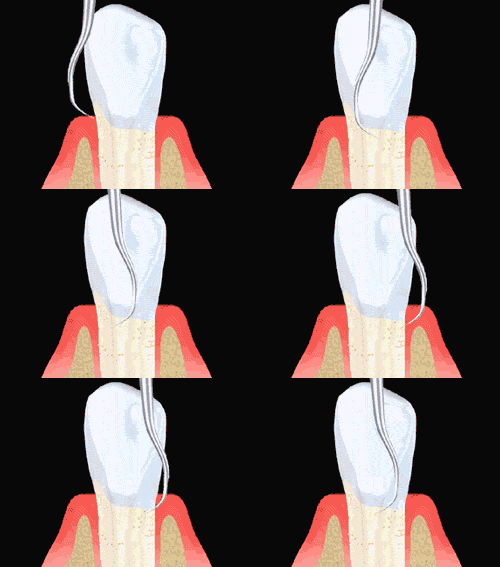
Scaling:
When scaling is performed, calculus and plaque that attaches to the tooth surfaces is removed. The process especially targets the area below the gum line, along the root. Scaling is performed with a special dental tool called an ultrasonic scaling tool. The scaling tool usually includes an irrigation process that can be used to deliver an antimicrobial agent below the gums to help reduce oral bacteria.
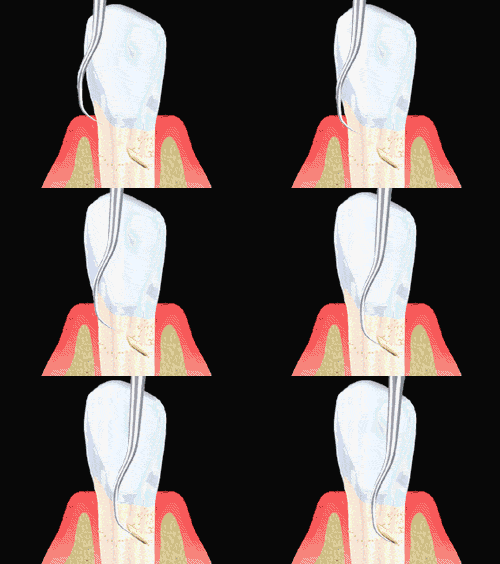
Root Planing:
Root planing is performed in order to remove cementum and surface dentin that is embedded with unwanted microorganisms, toxins and tartar. The root of the tooth is literally smoothed, which promotes healing, and also helps prevent bacteria from easily colonizing in the future.