Oral Hygiene in Bensalem, PA
Protecting Your Teeth and Gums with Proper Daily Care
Maintaining good oral hygiene is one of the most important steps you can take to protect your teeth, gums, and overall health. Your mouth constantly produces bacteria that form a sticky film known as plaque. Without proper care, plaque builds along the gumline and between teeth, eventually hardening into tartar that can only be removed during professional dental visits.
At Amazing Smiles By Design, we emphasize preventive dental care through a combination of strong home hygiene habits and professional dental cleanings. Together, these steps help prevent cavities, gum disease, and other oral health concerns while maintaining a bright, healthy smile.
Consistent oral hygiene practices allow patients to keep their natural teeth longer, reduce the need for restorative dental treatments, and protect overall oral health throughout life.
Why Good Oral Hygiene Is So Important
Many dental problems begin with plaque buildup. Plaque is a nearly invisible film of bacteria that constantly forms on the surface of teeth. When plaque is not removed regularly through brushing and flossing, it can harden into tartar (also called calculus).
Once tartar forms, it becomes much more difficult to remove and begins to irritate the gum tissue. Over time this can lead to periodontal disease, also known as gum disease.
Adults over the age of 35 lose more teeth due to gum disease than from cavities. In fact, studies show that approximately three out of four adults experience some form of periodontal disease during their lifetime.
Poor oral hygiene can lead to several serious dental problems, including:
- Gum inflammation and bleeding
- Periodontal infections
- Bone loss around teeth
- Tooth decay and cavities
- Persistent bad breath
- Tooth sensitivity
- Loose teeth or tooth loss
Daily brushing, flossing, and routine dental visits are the best ways to prevent these issues and maintain a healthy smile.
How to Brush Your Teeth Properly
Brushing your teeth correctly is one of the most effective ways to control plaque and bacteria. However, many people brush too quickly or miss important areas of the mouth.
Dentists generally recommend brushing at least twice per day using a soft-bristled toothbrush and fluoride toothpaste.
Proper brushing technique includes:
- Position the toothbrush at about a 45-degree angle where the gums meet the teeth
- Use small, gentle circular motions to clean the outer surfaces of the teeth
- Apply light pressure so the bristles reach slightly between the teeth and beneath the gumline
- Brush the inside surfaces of teeth using the same circular motion
- Hold the brush vertically when cleaning the inside surfaces of the front teeth
- Use short strokes on the chewing surfaces of molars
- Lightly brush the surrounding gum tissue to stimulate circulation
- Rinse thoroughly to remove loosened plaque and debris
Taking the time to brush carefully ensures all surfaces of the teeth are properly cleaned. Brushing in front of a mirror can help ensure that no areas are missed.
If brushing causes discomfort or bleeding that does not improve, patients should consult the dental team at Amazing Smiles By Design for guidance on improving technique.
Flossing: Cleaning Where Your Toothbrush Cannot Reach
Even the most effective brushing cannot clean every surface of the teeth. The tight spaces between teeth are especially vulnerable to plaque accumulation.
Periodontal disease often begins in these areas because toothbrush bristles cannot reach them effectively.
Daily flossing removes plaque and food particles from between teeth and beneath the gumline where bacteria commonly collect.
A proper flossing technique includes:
- Use approximately 18 inches of floss to allow a clean section for each tooth
- Wrap the floss around your middle fingers and guide it using your thumbs and forefingers
- Gently slide the floss between teeth using a back-and-forth motion
- Curve the floss into a C-shape against the surface of each tooth
- Carefully move the floss up and down along the tooth and beneath the gumline
- Clean both surfaces of every tooth in each space
When flossing regularly for the first time, mild gum bleeding may occur. This is typically a sign of gum inflammation caused by plaque buildup. As plaque is removed consistently, gums generally become healthier and bleeding decreases.
Caring for Sensitive Teeth
Some patients experience temporary tooth sensitivity when eating hot or cold foods or after certain dental treatments. This sensitivity is often temporary and improves when good oral hygiene is maintained.
If sensitivity continues, dentists may recommend specific treatments such as:
- Medicated toothpaste designed for sensitive teeth
- Special mouth rinses that reduce nerve sensitivity
- Adjustments to brushing habits or hygiene products
- Professional fluoride treatments
Maintaining a clean, healthy mouth often reduces sensitivity by preventing gum recession and enamel erosion.
Choosing the Right Oral Hygiene Products
With many dental care products available today, selecting the right tools can sometimes be confusing. Fortunately, several products have been shown to work well for most patients.
Common recommendations include:
Electric Toothbrushes
Electric toothbrushes can be very effective at removing plaque because they provide consistent brushing motion.
Fluoride Toothpaste
Fluoride strengthens enamel and has been shown to reduce tooth decay by as much as 40 percent.
Anti-Plaque Mouth Rinses
Rinses approved by the American Dental Association can help control bacteria that cause gum disease.
Interproximal Brushes
These small brushes help clean between teeth where traditional floss may be difficult to use.
Oral Irrigators
Water flossing devices can help rinse away food particles and bacteria, though they should be used alongside brushing and flossing rather than replacing them.
Our dental team can help patients choose the most effective products based on their individual oral health needs.
Professional Dental Cleanings Support Oral Hygiene
Even patients who maintain excellent brushing and flossing habits can develop hardened tartar that cannot be removed at home.
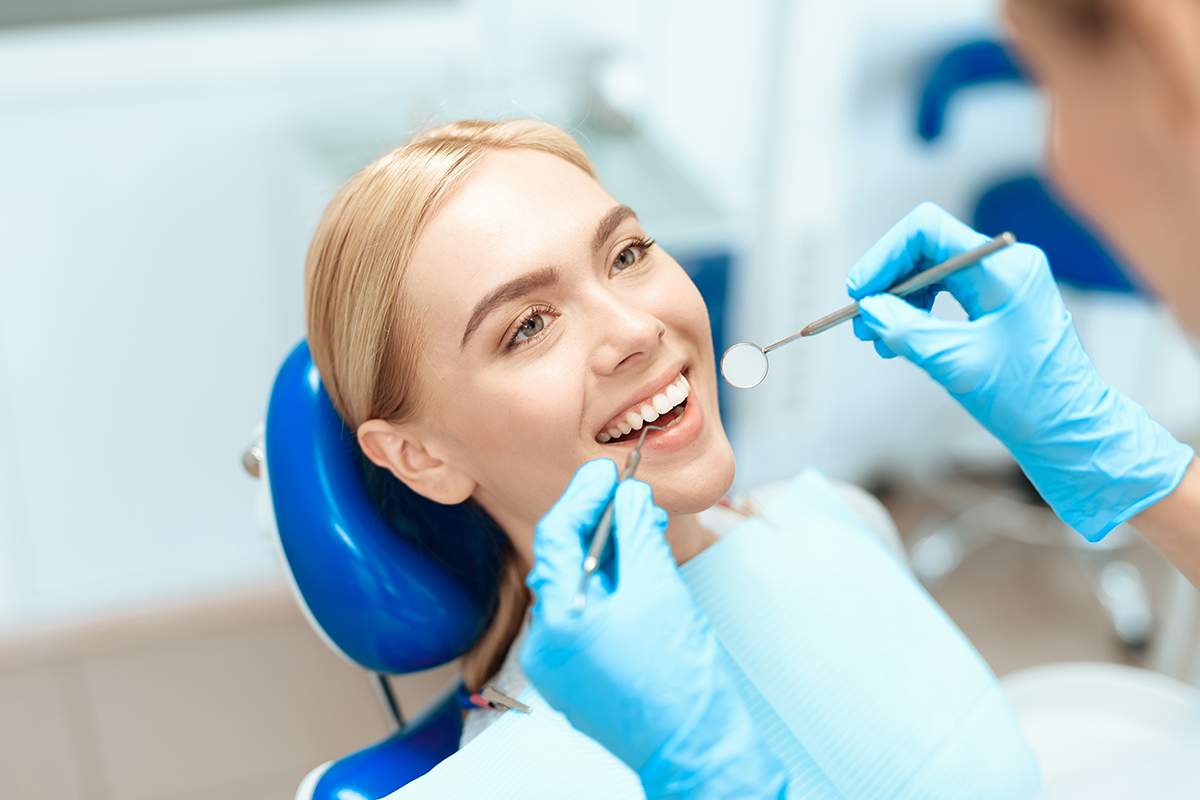
Professional dental cleanings play an important role in preventing gum disease and maintaining healthy teeth.
During a professional cleaning, dental hygienists remove:
Plaque
A soft bacterial film that forms daily and can usually be removed with brushing and flossing.
Tartar (Calculus)
Hardened plaque that requires professional instruments to remove.
Our hygienists carefully clean areas where bacteria tend to accumulate, especially along the gumline and between teeth. After the buildup is removed, teeth are polished using a special prophy paste that smooths the enamel surface and helps resist future plaque buildup.
Patients are also shown areas where plaque tends to accumulate so they can improve their brushing and flossing habits at home.